Theme world
Make your home harder to target in London
Identify weak points around doors, windows, access routes and lighting, then plan suitable security upgrades.
In London and selected locations
- Doors, windows and locks
- Lighting, alarms and smart security
- Practical property risk review
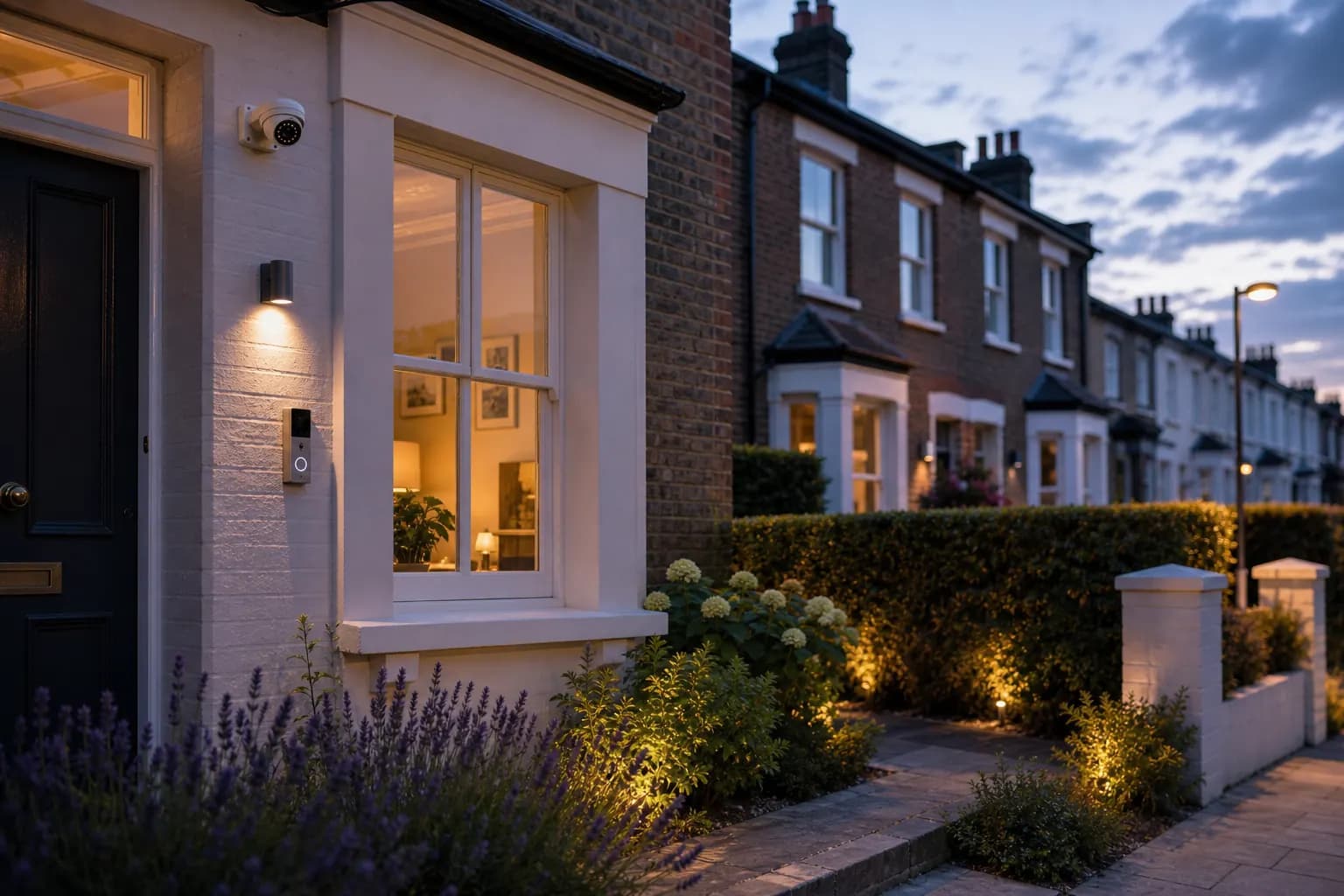
Local in London
What makes Home Security & Burglary Protection in London unique
Across London boroughs we help you find the right specialists for Home Security & Burglary Protection. London is located in England. Districts such as Camden, Hackney, Islington, Lambeth, Southwark show how much local requirements can vary.

City focus
London
Local conditions shape the right plan for Home Security & Burglary Protection.
Funding options
Find out which security measures fit your property.
The right funding logic depends on the building, measure, and timing. The funding page gives you a structured first overview.
Explore fundingHome security: protect the weak points before buying more tech
Home security and burglary protection work best when they start with the property, not with a gadget. Cameras and smart alarms can be useful, but the biggest gains often come from stronger doors, better locks, secure windows, visible lighting and fewer easy access points. A security project should make the home harder to target and easier to live with.
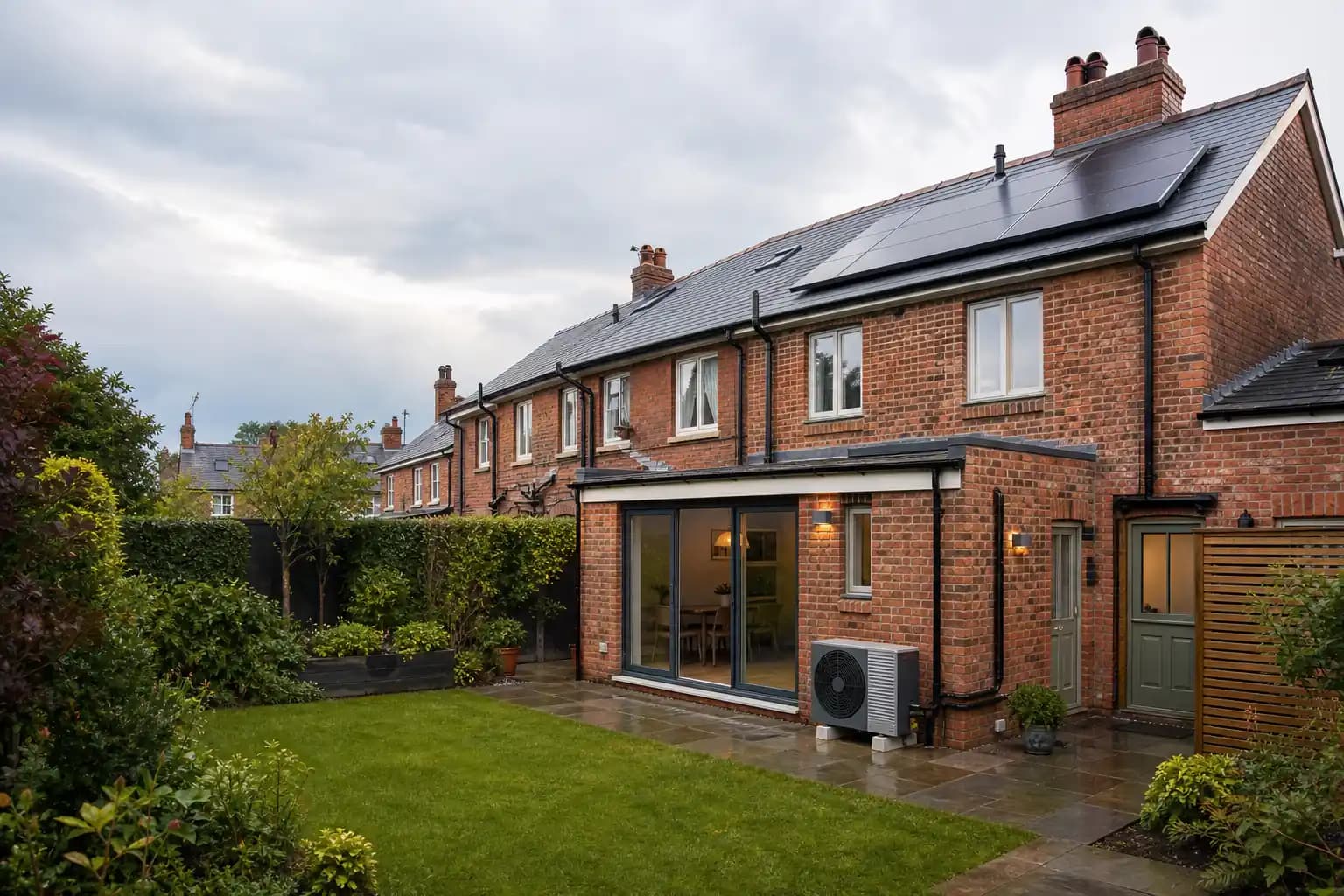
Locally, property types vary widely. A ground-floor flat, terraced house, detached home, shopfront flat or converted building all have different risks. Rear access, side gates, dark paths, shared entrances and older doors can matter as much as the front door. The best plan looks at routes, visibility and routine.
Start with doors, windows and access routes
The first step is usually a simple risk review. Which door is used most? Are rear gates locked? Are ground-floor windows secure? Is there lighting where someone would approach the home? Are tools, ladders or bins making access easier?
Door locks, cylinders, hinges, frames and letterbox protection
Window locks, restrictors, laminated glass or secondary security where appropriate
Outdoor lighting, sensors and visibility around entrances
Gates, sheds, garages and side passages
Alarms, cameras and smart controls that support the physical measures
Physical security and smart security should work together
Smart devices can alert, record and deter, but they do not replace a weak door or poor lock. A balanced home security upgrade usually combines physical improvements with technology. That may mean reinforced doors, better locks, secure glazing, motion lighting, an alarm and cameras positioned where they actually capture useful evidence.
For many households, the right result is not the most complex system. It is a setup that is reliable, easy to use and not ignored after two weeks. If the alarm is hard to manage or the camera produces constant false alerts, the system loses value.
What local specialists can help with
Security projects can involve locksmiths, door and window specialists, electricians, alarm installers, smart-home technicians and sometimes builders or metalworkers. The important point is coordination. A new camera may need power, network access and correct positioning. A stronger lock may not help if the frame is weak. A gate is only useful if it fits how the household actually uses the property.
Locksmiths for lock upgrades, cylinders, keys and emergency access planning
Door and window businesses for frames, glazing and secure replacements
Electricians and alarm installers for lighting, sensors, sirens and controls
Smart-home specialists for app-based monitoring and integrated alerts
Builders or metalworkers for gates, grilles, side access and outbuildings
Landlords, shared buildings and insurance questions
For rented homes, leasehold flats and shared buildings, permissions and responsibilities may need to be checked before work starts. Landlords may have requirements around locks, keys, alarms or alterations. Insurers may also care about lock standards, alarm maintenance or evidence after a break-in.
Insurance, tenancy and building-permission questions need a careful check before work starts, especially when security changes affect locks, communal access or external appearance.
A practical security plan
Start with the easy wins: remove obvious access aids, improve lighting, secure side and rear access, and check the condition of doors and windows. Then decide whether technology adds real value. Cameras should cover useful zones, alarms should be maintainable, and smart controls should be simple enough for everyone in the household.
Good quotes should state the equipment, installation work, power and connectivity needs, ongoing costs and maintenance. For locks and alarms, ask how keys, codes and future servicing are handled.
Planning the next step
Security work is easier to quote when the weak points are clearly described. beeBAAHM helps users move from a general worry to a practical checklist covering doors, windows, lighting, access routes, alarms and smart devices, so local specialists can respond with a more useful scope.
From idea to project. No detours.
Tell us briefly what you need. beeBAAHM finds quality local specialists for free.
FAQ
Questions about home security and burglary protection
Planning notes for door security, locks, windows, lighting, alarms and smart security upgrades.