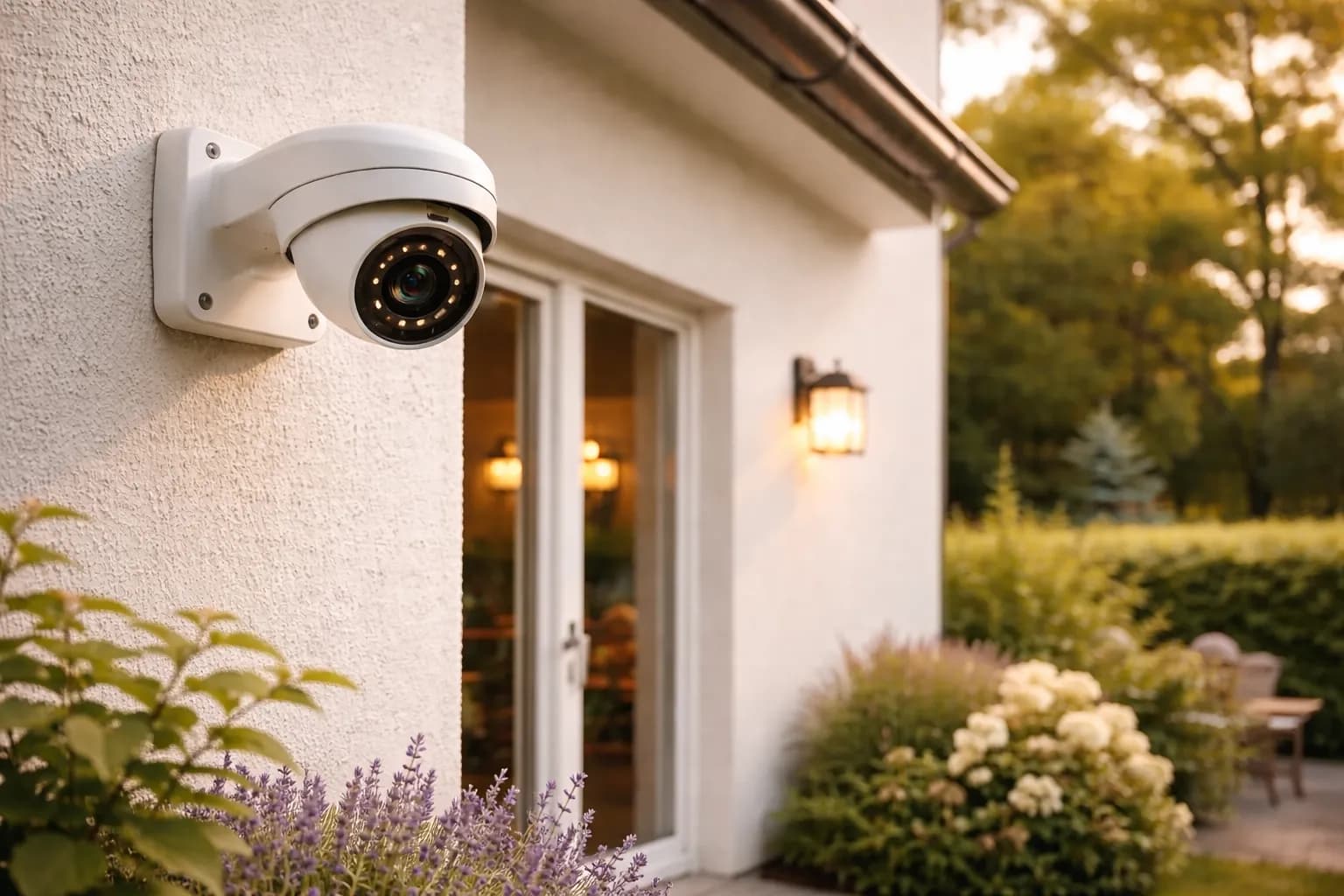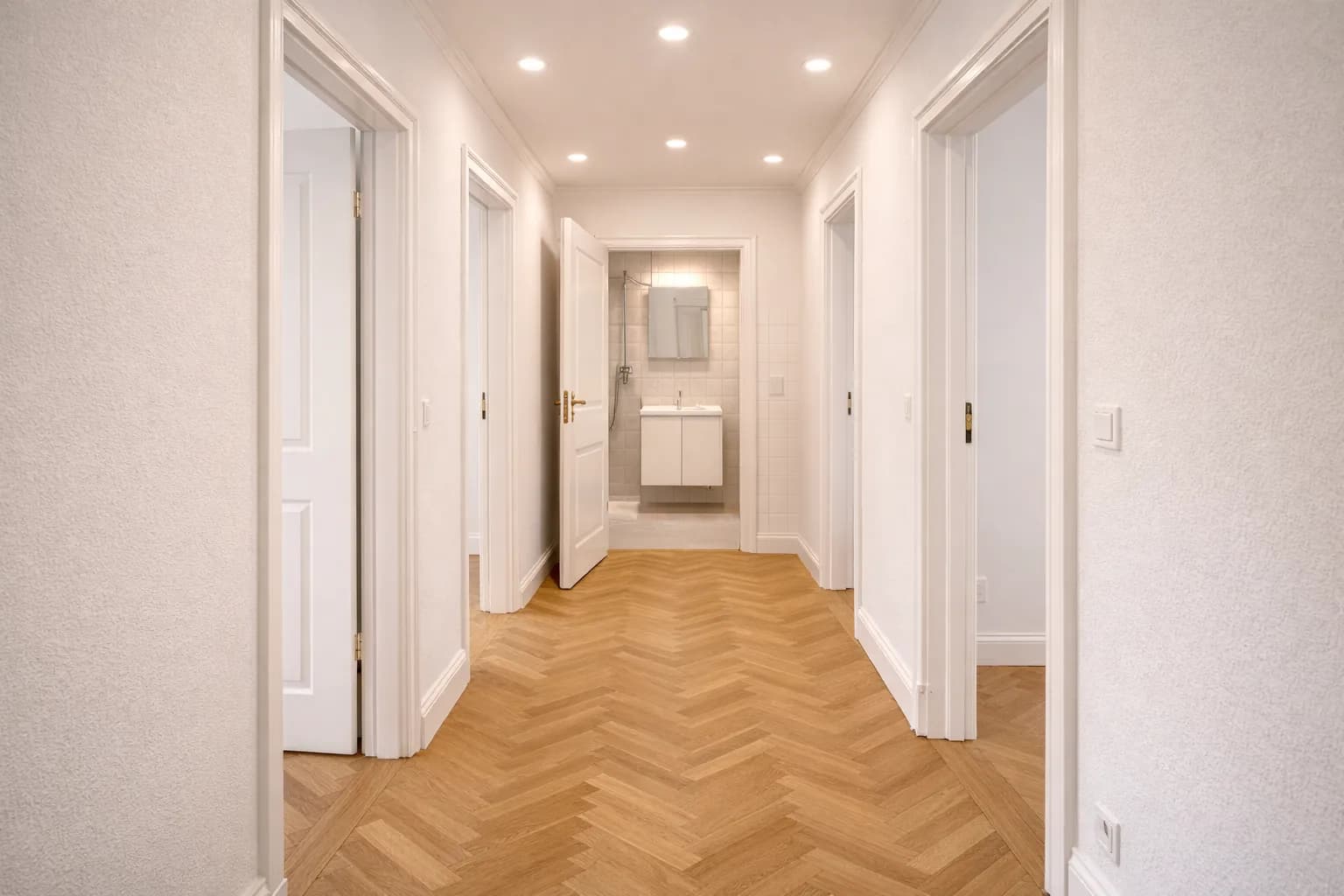
Theme world
Create a space that works for customers, staff and daily operations.
Coordinate layout, electrical work, lighting, finishes and practical build phases for commercial spaces.
- Tenant improvement planning
- Commercial build-out coordination
- Permits and inspection awareness
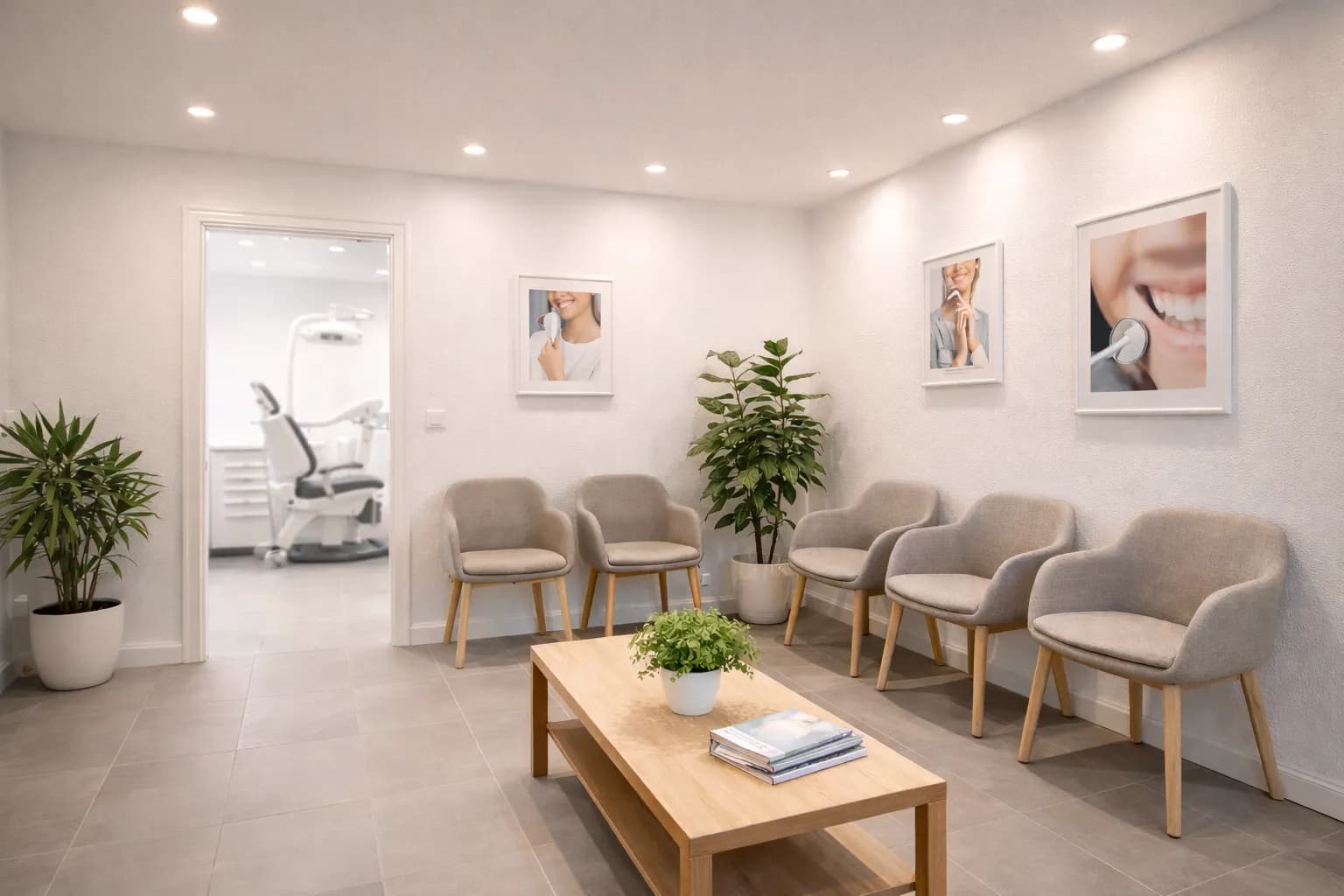
Funding options
Structure the work your premises need.
The right funding logic depends on the building, measure, and timing. The funding page gives you a structured first overview.
Explore fundingCommercial tenant improvements: build the space around operations
Commercial tenant improvements and build-outs need more than design taste. Offices, retail stores, clinics, salons, studios, restaurants and service businesses all depend on layout, electrical capacity, lighting, plumbing, HVAC, accessibility, safety and inspection timing. The space has to support daily operations, not just look finished.
The right process depends on lease terms, landlord responsibilities, local permits, building rules and the type of business. A retail build-out, medical office remodel, small office build-out and salon renovation can all involve different trades and approvals.
Start with the business use and lease context
Before asking for quotes, define what the space must do. How many staff use it? How do customers enter and move through it? Where are power, water, data, storage and ventilation needed? Are there landlord work letters, tenant improvement allowances or restrictions on exterior changes?
Layout, customer flow, staff workflow and storage needs
Electrical, lighting, data, plumbing and HVAC requirements
Fire safety, accessibility, egress and inspection considerations
Flooring, walls, millwork, counters, fixtures and durable finishes
Phasing, after-hours work, deliveries, waste and opening-date pressure
Permits, inspections and specialist trades
Commercial work often requires local permit review and inspections. Requirements vary by city, county, state, building type and business use. A simple cosmetic refresh is different from moving walls, adding plumbing, changing occupancy, installing equipment or altering life-safety systems.
Code compliance should be checked with the right local professionals. Users should clarify responsibilities early: who provides drawings, who submits permits, who coordinates inspections, and what the landlord or building manager must approve.
Coordination protects the schedule
Commercial projects can fail because trades are not sequenced correctly. Electrical rough-in must happen before walls close. Plumbing and HVAC may affect layout. Flooring should not be installed before heavy work is complete. Signage, furniture, equipment and final cleaning need time before opening.
For operating businesses, phasing and after-hours work may reduce downtime but add complexity. The project brief should include opening hours, blackout dates, customer access, noise limits and any deadlines tied to lease commencement or launch.
Materials need to match traffic and brand
Commercial finishes need to handle real use. A clinic may need cleanable surfaces and privacy. A retail space needs flow and product visibility. A salon needs plumbing, power and surfaces that tolerate moisture and chemicals. An office needs acoustic comfort, lighting and enough outlets for daily work.
Choosing materials only by appearance can create maintenance problems. Durable finishes, serviceable equipment and clear documentation make the space easier to operate after handover.
Getting useful quotes
Good commercial quotes should identify scope, exclusions, assumptions, trade dependencies, permit responsibilities and schedule risks. They should also state whether drawings, engineering, landlord approvals, inspections, waste removal, after-hours work and closeout documents are included.
beeBAAHM helps users turn a commercial idea into a clearer contractor brief. That makes quote comparison more accurate and helps reduce disruption before the business opens or reopens.
Planning the next step
Commercial quotes are only useful when the scope is clear. beeBAAHM helps users describe business use, access, permits, inspections, phasing and finish requirements before they reach out to local contractors.
From idea to project. No detours.
Tell us briefly what you need. beeBAAHM finds quality local specialists for free.
FAQ
Questions about commercial and clinic build-outs
Planning notes for small offices, clinics, retail spaces and service premises that need functional, code-aware improvements.