Theme world
Make your home safer and easier to use.
Plan accessibility upgrades around the way your home, family and local permitting process actually work.
- Aging-in-place planning
- Bathrooms, ramps and safer access
- State and city code awareness
Funding options
Check which changes fit your home.
The right funding logic depends on the building, measure, and timing. The funding page gives you a structured first overview.
Explore fundingAging-in-place remodeling: make the home easier before it becomes urgent
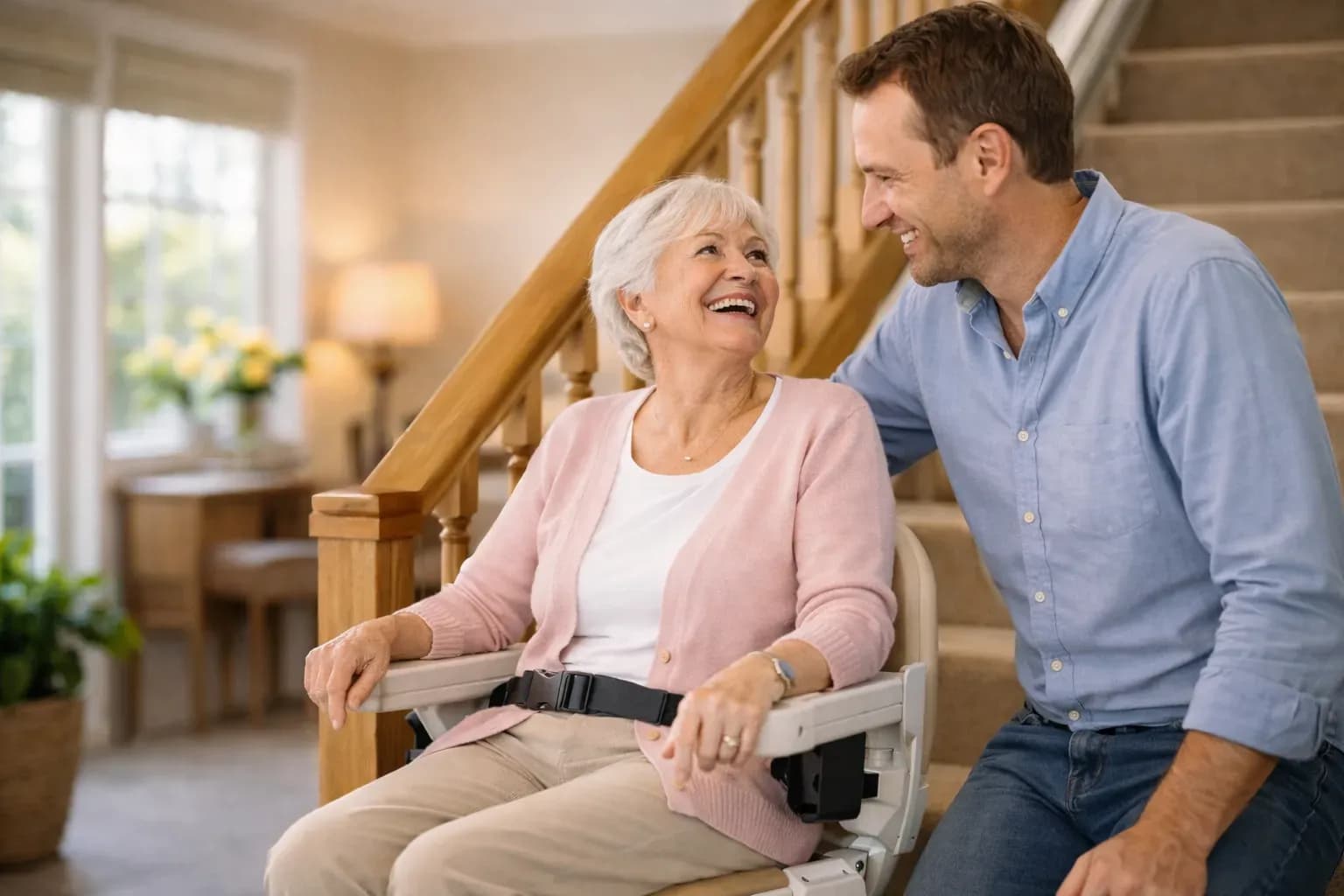
Aging-in-place and accessible home upgrades often start with a personal moment: the bathtub feels risky, a parent is coming home after surgery, stairs are becoming harder, or the family wants the house to work for the next ten years. The best remodels make daily routines easier without turning the home into a medical space.
Homes vary widely. A single-story ranch, townhouse, condo, historic home, split-level house and suburban new build all need different solutions. Local codes, HOA rules, condo approvals, permits and contractor licensing can also affect the plan. That is why a useful project brief should describe both the household need and the property context.
What aging-in-place upgrades usually include
The strongest projects focus on movement, bathing, lighting, entrances and everyday reach. Some changes are simple, while others need plumbing, electrical, framing or exterior work. Planning in stages helps families avoid emergency decisions and keeps the home usable during construction.
Curbless showers, walk-in showers, grab bars, shower seats and safer bathroom layouts
Ramps, handrails, widened paths, threshold changes and easier entry points
Better lighting, motion sensors, reachable switches and safer stair routes
Slip-resistant flooring and clearer circulation through high-use rooms
Kitchen, bedroom and laundry changes that support independent routines
Bathroom safety usually comes first
The bathroom is one of the highest-impact spaces for accessibility. A high tub wall, slippery tile, poor ventilation or tight turning space can make a normal routine stressful. A good accessible bathroom remodel can add a curbless shower, stable grab-bar blocking, handheld shower, comfort-height toilet, better lighting and durable non-slip flooring while still looking residential and well designed.
If future needs are uncertain, plan the hidden work first. Blocking in walls, adequate clearances, electrical capacity and proper waterproofing can make later changes easier. A contractor who understands aging-in-place work should explain what is visible, what is behind the wall and what may need permit review.
Entry, stairs and whole-home movement
Many homes have porch steps, garage entries, split levels or laundry rooms in difficult locations. A ramp, handrail, stair support, better exterior lighting or threshold change can make daily life much easier. For condos, townhomes and HOA communities, exterior changes may require approval before work starts.
Inside the home, look at the route from bedroom to bathroom, kitchen to living room, and parking to entry. The goal is to reduce obstacles where movement happens every day.
Local checks matter
Accessibility rules and permit requirements can depend on state, city, property type and ownership structure. Private single-family homes are not the same as rental housing, multifamily buildings or commercial spaces. The safest approach is to check local requirements and permissions rather than assume one rule applies to every project.
Funding, insurance and tax treatment can also vary and should be verified before work begins. beeBAAHM should stay useful without making promises that may be different by state or program.
How beeBAAHM helps
beeBAAHM turns an accessibility concern into a clearer project request. The check helps identify whether the priority is bathroom safety, entry access, stairs, lighting or whole-home movement. That gives local contractors a stronger brief and helps users compare proposals by scope, not just price.
Planning the next step
For families and homeowners, the next step is a practical scope: what feels unsafe, what needs to change first and which parts of the home may need permits, HOA approval or specialist work. beeBAAHM helps turn that into a clearer request for local contractors.
From idea to project. No detours.
Tell us briefly what you need. beeBAAHM finds quality local specialists for free.
FAQ
Questions about aging-in-place and accessible home upgrades
Planning notes for safer bathrooms, entrances, stairs and practical accessibility upgrades in homes.